Are you familiar with hemosiderin and its relationship to venous insufficiency? In this article, we will explore the connection between these two factors and how they can impact your overall health.
What is Hemosiderin?
Hemosiderin is a brownish pigment that is derived from the breakdown of hemoglobin, the protein in red blood cells that carries oxygen throughout the body. When red blood cells are destroyed, the iron in hemoglobin is released and stored as hemosiderin in various tissues, particularly in the liver, spleen, and bone marrow.
How Does Hemosiderin Relate to Venous Insufficiency?
Venous insufficiency is a condition in which the veins have difficulty returning blood from the legs back to the heart. This can lead to blood pooling in the lower extremities, causing a range of symptoms such as swelling, pain, and skin discoloration.
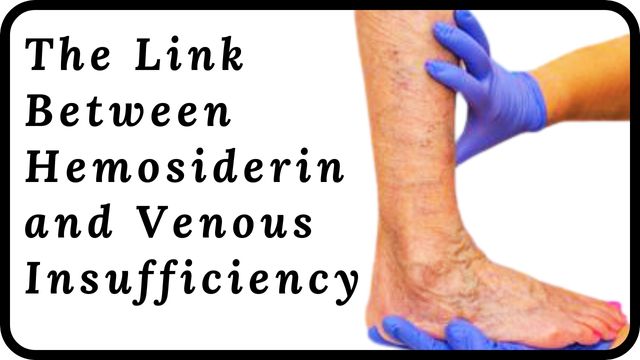
One of the key factors in venous insufficiency is the breakdown of red blood cells in the lower legs, which can lead to the accumulation of hemosiderin in the surrounding tissues. Over time, this can result in skin changes, such as brownish discoloration known as hemosiderin staining.
The Impact of Hemosiderin Staining
Hemosiderin staining is often seen in individuals with chronic venous insufficiency, particularly in the ankles and lower legs. This discoloration can be unsightly and may cause self-esteem issues for those affected. In addition, the presence of hemosiderin staining can indicate more serious underlying problems with the veins and may require medical attention.
How Can Hemosiderin Staining be Treated?
There are a few treatment options available for hemosiderin staining caused by venous insufficiency. These may include:
Compression therapy: Compression stockings can help improve venous blood flow and reduce swelling in the legs, which can in turn minimize the accumulation of hemosiderin.
Sclerotherapy: This procedure involves injecting a solution into the affected veins to close them off and redirect blood flow to healthier veins.
Laser therapy: Laser treatments can help reduce the appearance of hemosiderin staining on the skin by targeting the pigmented areas and breaking down the excess hemosiderin.
Conclusion
In conclusion, hemosiderin and venous insufficiency are closely linked, with hemosiderin staining being a common symptom of this condition. If you are experiencing symptoms such as swelling, pain, or skin discoloration in your lower legs, it is important to seek medical attention to determine the underlying cause and explore treatment options. Remember, early intervention can help prevent further complications and improve your overall quality of life.
So, have you learned something new about the link between hemosiderin and venous insufficiency? Remember, taking care of your vascular health is essential for your overall well-being.
 vein treatment