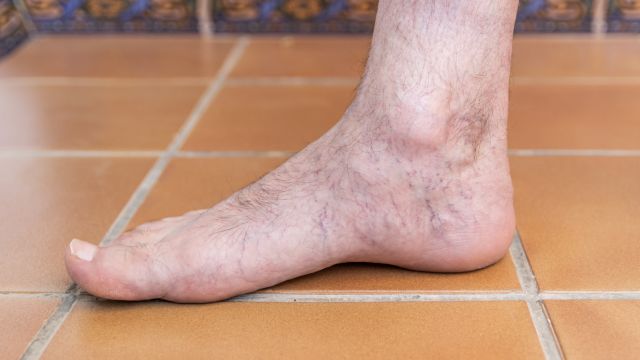
Are you experiencing swollen, twisted veins in your legs? You may be suffering from varicose veins. These bulging veins can be not only unsightly but also painful and uncomfortable. In this article, we will explore the signs, symptoms, and when to seek help for varicose veins.
What are Varicose Veins?
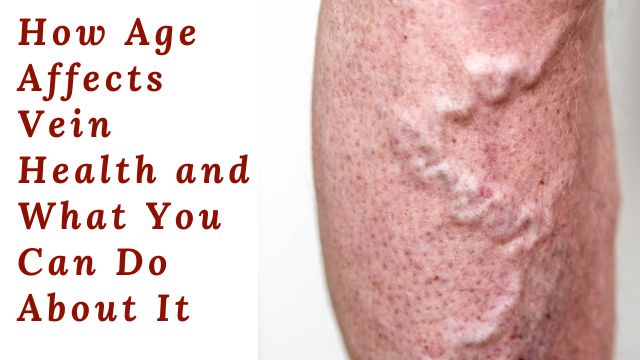
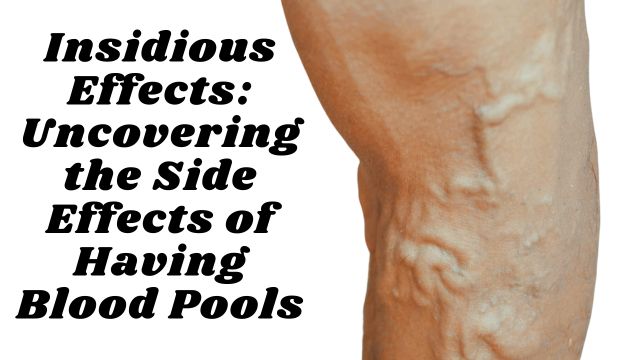
Varicose veins are enlarged, twisted veins that usually appear on the legs. They can be blue, red, or flesh-colored and often bulge out from the skin. These veins are caused by malfunctioning valves in the veins, which can lead to blood pooling in the veins and causing them to swell.
Signs and Symptoms of Varicose Veins
Visible Veins: One of the most common signs of varicose veins is the appearance of bulging, twisted veins on the legs.
Pain and Discomfort: Many people with varicose veins experience pain, aching, or heaviness in the legs, especially after standing or sitting for long periods.
Swelling: The affected area may become swollen, particularly around the ankles and feet.
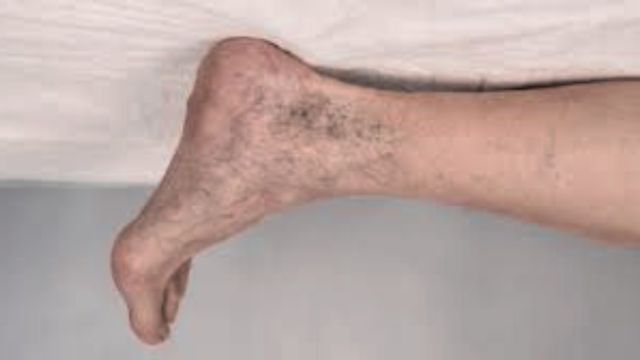
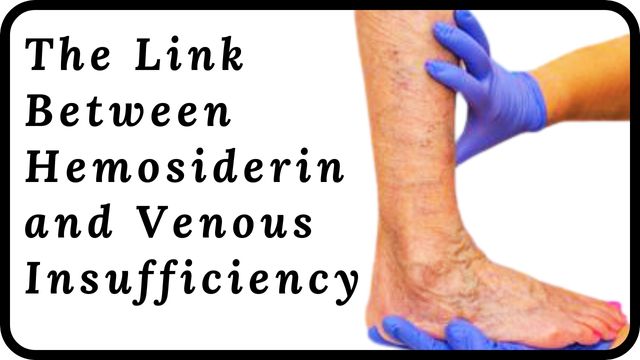
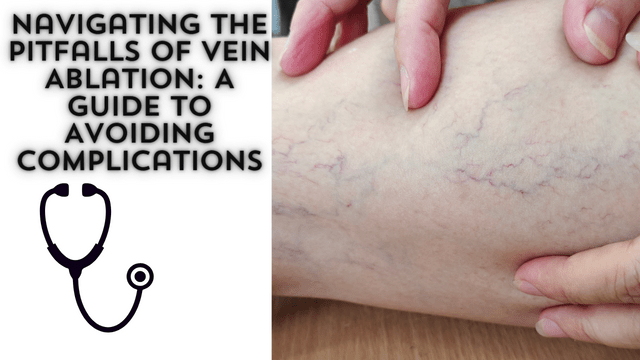
Skin Changes: Skin around the varicose veins may become discolored, dry, or itchy.
Leg Cramps: Some individuals with varicose veins may experience leg cramps, particularly at night.
If you are experiencing any of these symptoms, it is important to consult a healthcare provider for a proper diagnosis and treatment plan.
When to Seek Help
So, when should you seek help for varicose veins? It is essential to consult a healthcare provider if you experience:
Severe Pain: If you are in severe pain or discomfort due to your varicose veins, it is crucial to seek medical attention.
Ulcers: Varicose veins can sometimes lead to skin ulcers, which require prompt treatment.
Bleeding: If your varicose veins start bleeding, seek immediate medical help.
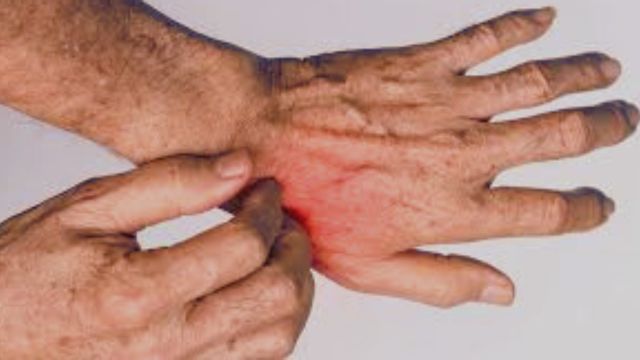
Inflammation: If the affected area becomes red, warm, and swollen, it may indicate a more severe issue.
Ignoring varicose veins can lead to complications such as blood clots, ulcers, and skin infections. Therefore, it is essential to address them early on.
Treatment Options
There are several treatment options available for varicose veins, depending on the severity of the condition. These may include:
Compression Stockings: Wearing compression stockings can help improve blood flow and reduce swelling in the veins.
Sclerotherapy: This procedure involves injecting a solution into the veins to close them off.
Laser Therapy: Laser therapy can be used to heat and destroy the affected veins.
Vein Stripping: In more severe cases, surgical intervention may be necessary to remove the affected veins.
Your healthcare provider will recommend the best treatment option based on your individual case.
conclusion
varicose veins are a common condition that can cause pain and discomfort if left untreated. By recognizing the signs and symptoms of varicose veins and seeking help when needed, you can prevent complications and improve your quality of life. Don’t suffer in silence – consult a healthcare provider today if you suspect you have varicose veins.
 vein treatment