Introduction
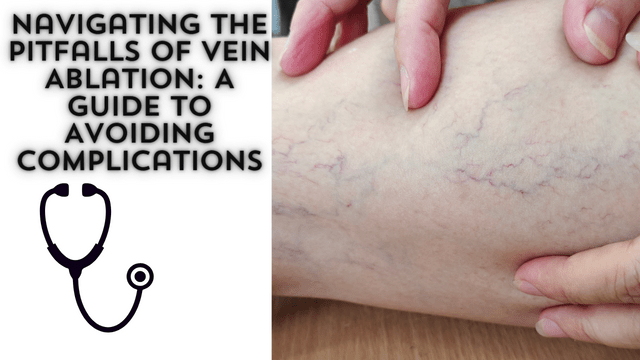
Undergoing Vein Ablation Gone Wrong can be an effective solution for individuals suffering from varicose veins or other venous disorders. This minimally invasive procedure offers quick relief and a shorter recovery time compared to traditional surgery. However, like any medical intervention, vein ablation carries certain risks and potential complications. In this article, we will explore the common pitfalls associated with the procedure, as well as provide expert advice on how to prevent and manage them.
Navigating the Pitfalls of Vein Ablation: Understanding the Risks
Choosing an Inexperienced Practitioner
One of the primary pitfalls of vein ablation lies in selecting an inexperienced practitioner. Properly performing vein ablation requires a high level of technical skill and expertise. It is essential to choose a doctor who specializes in venous disorders and has a proven track record of successful procedures. Researching the practitioner’s qualifications, credentials, and patient testimonials can greatly reduce the risk of complications.
Inadequate Assessment of Venous Anatomy
Thoroughly understanding the patient’s venous anatomy is crucial for a safe and successful Vein Ablation Gone Wrong procedure. Inadequate assessment of the veins can lead to improper treatment and potential complications. A skilled physician should perform a comprehensive evaluation using imaging techniques such as duplex ultrasound to map out the affected veins accurately.
Failure to Address Underlying Vascular Conditions
Vein ablation should not be viewed as a standalone treatment. It is essential to identify and address any underlying vascular conditions that may contribute to the development of varicose veins or venous insufficiency. Failure to treat these underlying conditions can result in a recurrence of the problem after the ablation procedure.
Preventing and Managing Complications:
Thrombophlebitis and Deep Vein Thrombosis (DVT)
Thrombophlebitis, inflammation of the veins, and deep vein thrombosis (DVT) are potential complications of vein ablation. To prevent these complications, patients are often advised to wear compression stockings and take blood-thinning medications. Additionally, early ambulation and regular exercise can help promote healthy blood circulation and reduce the risk of clot formation.
Infection
Infections at the ablation site are rare but can occur. To minimize the risk of infection, patients should follow the post-procedure care instructions provided by their physician. It is crucial to keep the incision site clean and dry, as well as to report any signs of infection, such as redness, swelling, or discharge, to the healthcare provider.
Nerve Injury
Although rare, nerve injury can occur during vein ablation, leading to numbness, tingling, or pain in the treated area. To mitigate this risk, an experienced practitioner should perform the procedure, employing careful technique and precise positioning. Patients should immediately report any abnormal sensations following the procedure to their doctor.
Conclusion
Vein ablation can provide significant relief for individuals plagued by varicose veins and venous insufficiency. However, it is crucial to be aware of the potential pitfalls associated with the procedure. By choosing a skilled practitioner, ensuring proper assessment of venous anatomy, addressing underlying conditions, and following post-procedure instructions diligently, patients can navigate the pitfalls of Vein Ablation Gone Wrong and achieve successful outcomes with minimal complications.
 vein treatment